Buying guide, Uniforms
Steward and Server Uniforms: A Restaurant Owner's Complete Guide
Servers and stewards are the staff your guest interacts with most, which makes their uniform the single highest-leverage piece of clothing in the building. It has to look right at the table, survive a full service, and let the person wearing it work fast. Here is how we approach it.
Start with the service style, not the fabric
Before picking cloth, describe the service. Are plates carried or trolleyed? Do servers clear as they go? Is there a bar handover? Do they take orders on paper or a tablet? Those answers decide pocket placement, sleeve length and apron cut, and they matter more than colour.
- Fine-dine, seated, long dwell time: long-sleeve shirt, waist apron, name badge, closed shoes. Sleeves stay down.
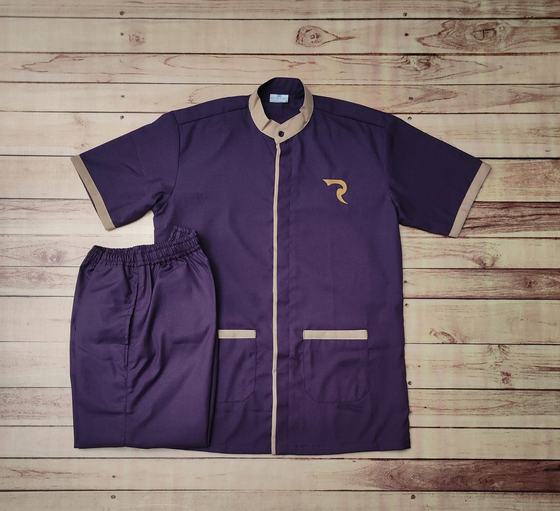
- Casual dining and bistro: short-sleeve shirt or polo, cross-back or waist apron, rolled cuffs with tabs.
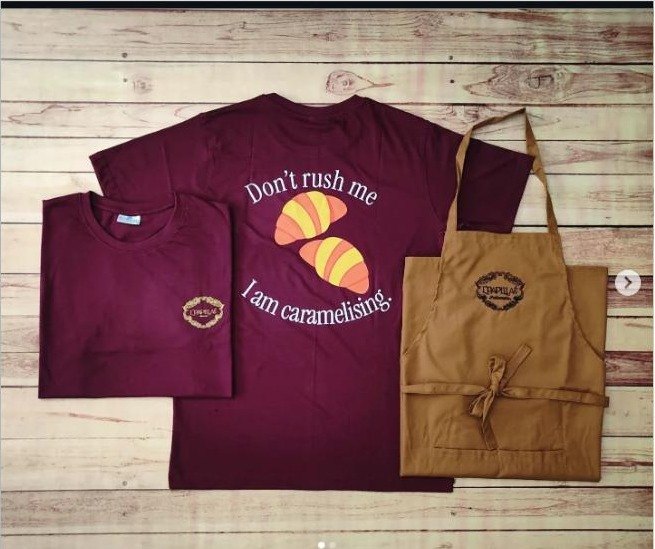
- Cafe and QSR: polo or tee, half apron or none, cap.
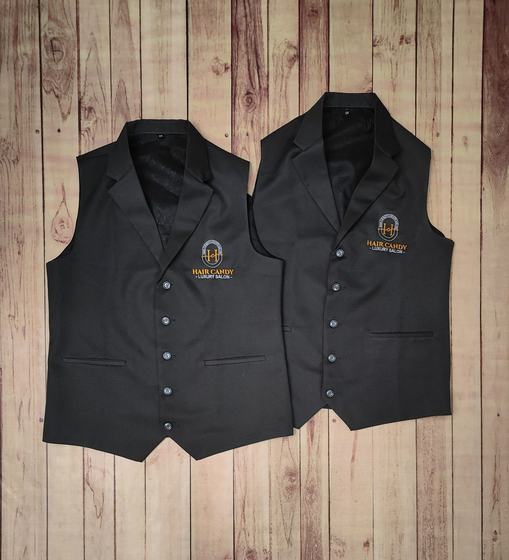
- Banquets and catering: shirt and waistcoat, no apron on the floor, easy-iron fabric, plenty of spares.
Shirt or polo: the honest comparison
A tailored shirt in poly-cotton or an oxford weave looks sharper and holds a crease, but it needs pressing and costs more to replace. A pique-knit polo needs no ironing, hides light creasing, breathes better and can be replaced cheaply when a curry lands on it. Neither is more professional; they are calibrated to different rooms.
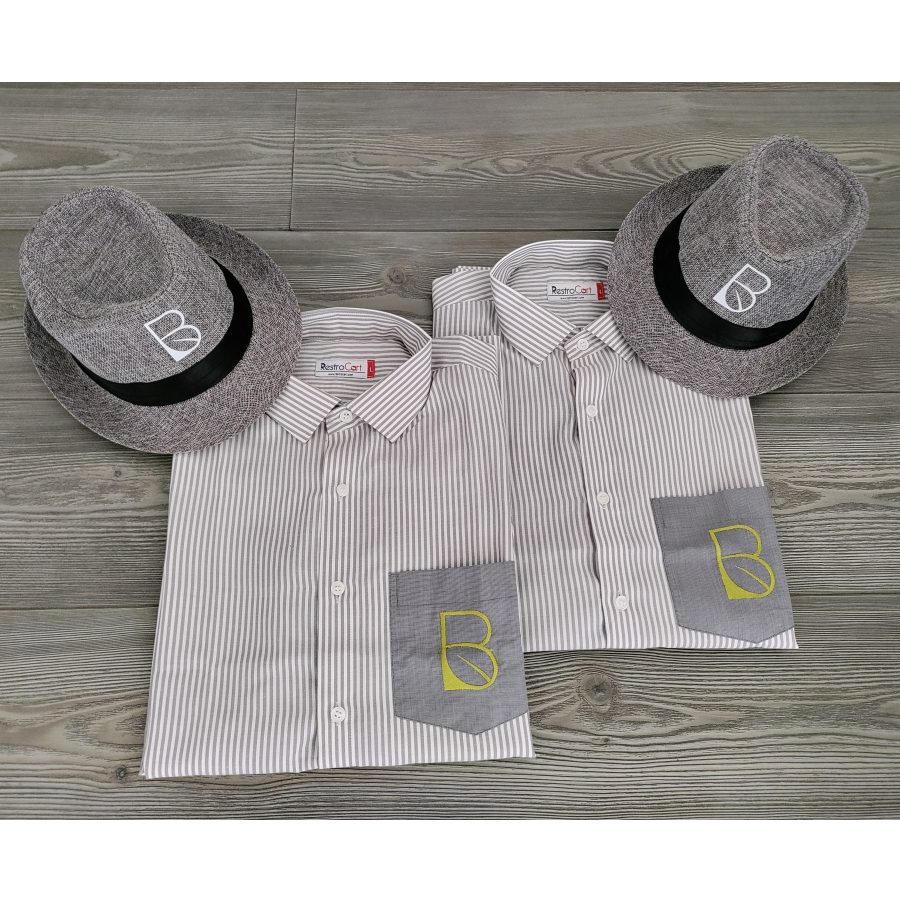
If you want the formality of a shirt with less maintenance, we make an easy-care poly-cotton shirt with a soft fused collar that holds shape from the wash without starching. It is the most-ordered shirt fabric we sell.
Pockets: the detail nobody specs and everybody regrets
A server without the right pocket keeps walking back to the station. Standard spec we recommend: two deep front pockets on the apron sized for a bill folder, a narrow pen slot on the right, and a small internal pocket for a lighter or a bottle opener where relevant. On shirts, one chest pocket is plenty; two look busy.
Colour-coding your floor
The cleanest system keeps one cut and one fabric across every team and changes only the shade: for example charcoal for stewards, ink-blue for the bar, olive for housekeeping, and a waistcoat for managers. Guests learn it within one visit. It also makes reordering simple, because you are buying one style in four colourways rather than four different garments.
Uniform is a wayfinding system as much as a look. A guest should be able to find the right person without making eye contact with three wrong ones.
Sizing an order properly
Do not order by shirt size alone. We ask clients for chest, waist and sleeve or top length per person, then produce a size-set sample so a few staff can try before bulk production. Add roughly 15 percent spare stock in the two most common sizes: attrition in Indian restaurant service is real, and a new hire in a mismatched shirt undoes the whole system.
What it costs to plan for
Budget three tops and two aprons per server, one name badge per person plus spares, and a replacement cycle of nine to twelve months for tops and twelve to eighteen months for aprons. Ordering the year's replacement batch at the same time as the initial order usually costs less than two separate runs, and guarantees the shade matches.
Finish it with the small things
An embroidered chest crest, a name badge that can be re-slotted when staff change, and a woven wash-care label inside the collar. The badge is the cheapest hospitality upgrade there is: it turns an anonymous server into a person the guest can thank by name.
See steward and service uniforms we have delivered on our work gallery, or send us your team split on WhatsApp at +91 98213 34906 for a role-by-role proposal.