Buying guide, Uniforms
Polo T-shirt Uniforms: A Plain-English Guide to GSM, Knit and Colour
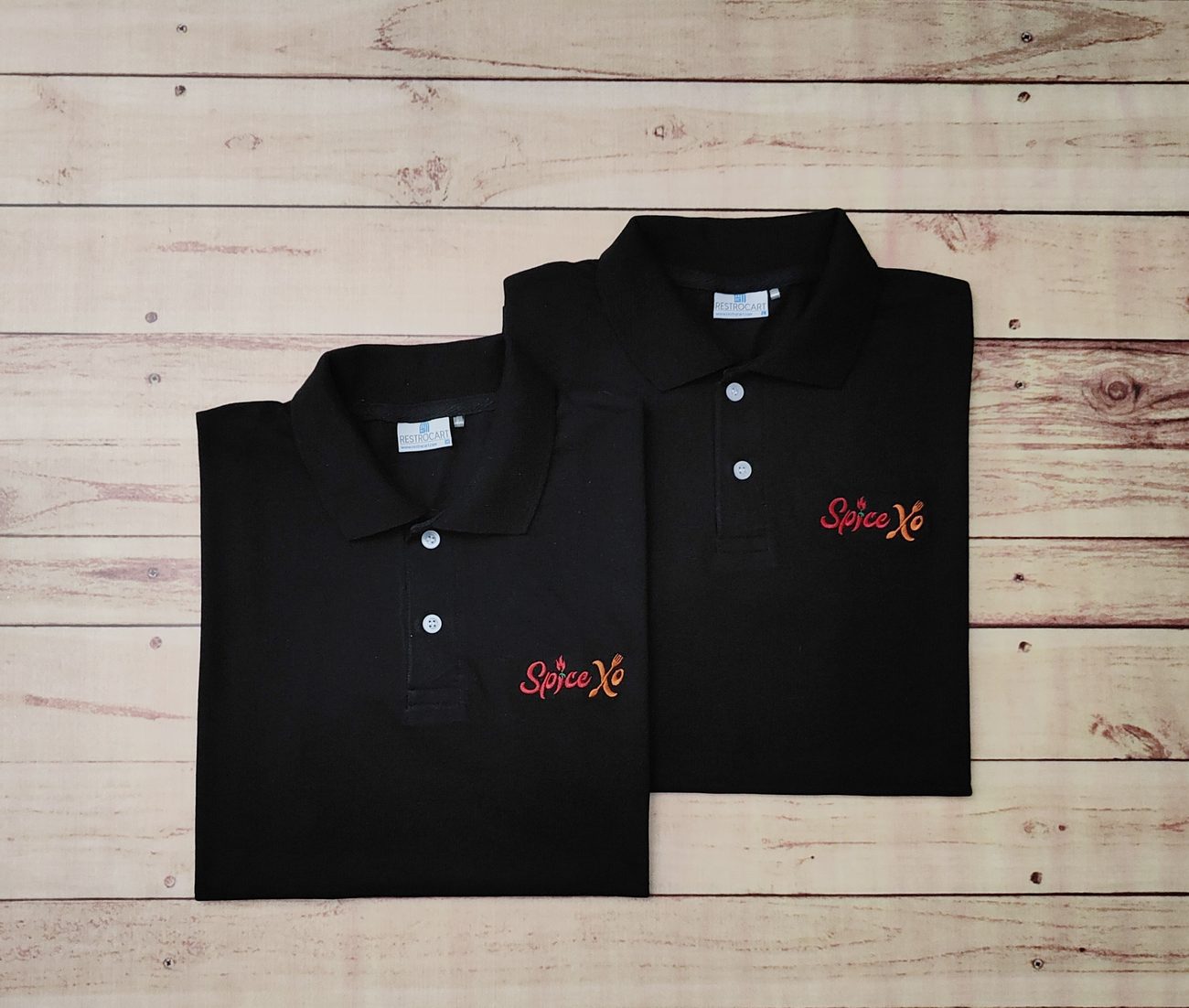
The polo is the most-ordered uniform top in Indian hospitality, and the one where quality differences are least visible in a photograph and most visible after eight weeks. Three specifications decide whether yours ages well.
1. Knit: pique, matty or interlock
Pique is the classic. Its textured surface creates tiny air channels, so it breathes well, hides creases and disguises light marks. It is what we recommend for most restaurant floors.
Matty is a flatter, denser knit with a smoother face. It looks slightly more formal, takes embroidery beautifully and is a good choice for hotel F&B and fine-dine polos.
Interlock is smooth and soft on both sides, more like a t-shirt. It feels premium in the hand but shows creases and marks more readily, so it suits lounges and cafes rather than a busy service floor.
2. GSM: the number to insist on
GSM decides how the polo drapes, how opaque it is, and how long the shape survives.
- Below 180 GSM: too thin. The collar collapses, light shows through pale colours, and it will look tired in two months.
- 200 to 220 GSM: the sweet spot for restaurant service. Substantial, breathable, dries overnight.
- 230 to 240 GSM: premium feel with more structure. Good for air-conditioned fine-dine, warm for outdoor service in May.
3. Blend: cotton, poly-cotton or dry-fit
100% cotton feels best and breathes best, but shrinks slightly, creases, and fades faster under repeated washing.
65:35 poly-cotton is the workhorse: holds colour and shape through hundreds of washes, dries fast, needs no ironing. This is what most of our restaurant clients order.
Dry-fit polyester wicks sweat and dries fastest, which matters for delivery teams, outdoor seating and coastal cities. It feels less premium in the hand and shows body heat differently, so we usually reserve it for roles that genuinely need it.
The details that make a polo look expensive
- Rib-knit collar with contrast tipping. Two thin stripes at the collar and cuff edge in a brand colour: the single highest-impact detail available.
- Placket with matched buttons, ideally horn-look or metal rather than clear plastic.
- Side vents with a taped hem, which stops the hem rolling.
- Shoulder-to-shoulder taping inside the neck, which stops the shoulder seam stretching.
- An embroidered crest, not a print. Small, on the left chest, one or two thread colours.
Nobody notices a good collar. Everybody notices a curled one.
Colour and stain reality
Charcoal, navy, bottle green, maroon, anthra melange and teak brown all hide service marks well and photograph properly under warm lighting. Melange yarns are particularly forgiving because the flecked surface breaks up small marks. Pale grey, sky blue and white will look excellent for a fortnight and then need a spares budget.
Sizing and quantities
Order a size-set sample before bulk production so a few staff can try, and record chest and length measurements rather than assuming letter sizes. Three polos per person, plus 15 percent spares in the two commonest sizes.
See polos we have made for cafes, QSR brands and restaurants on our work gallery, or WhatsApp +91 98213 34906 for swatches and pricing.